Seasonal Ingredients of Baja California Sur
By Guillermo von Papendieck, Kitchen Restaurante PR · Kitchen San José del Cabo
From the Sea of Cortez to local farms, discover the products that define our ever-changing menu each season.
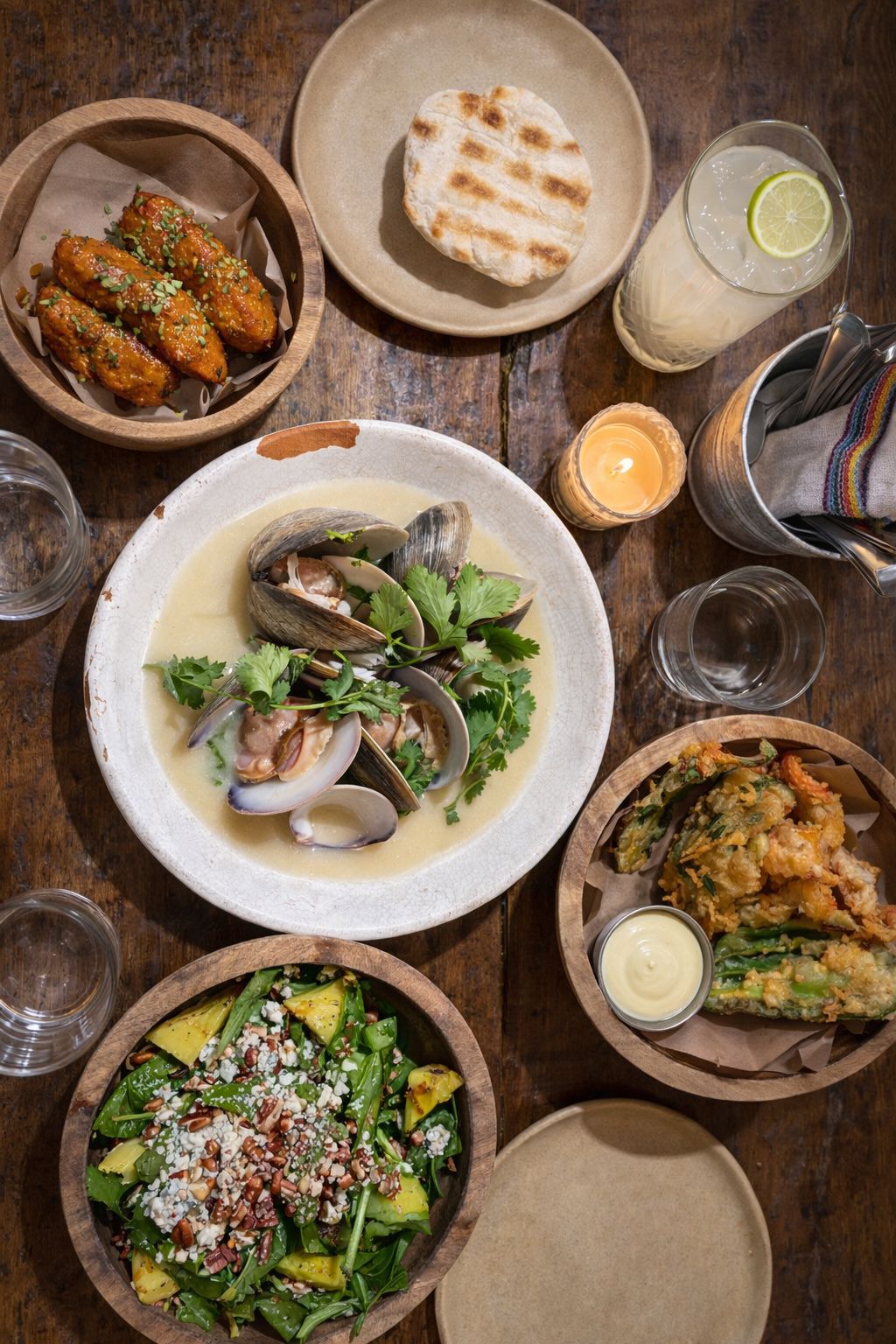
The Baja Food Calendar Most visitors to Los Cabos have no idea that the food changes dramatically depending on when they visit. The Sea of Cortez delivers different fish every few months. Local farms shift from winter citrus to summer chilies. Even the herbs change. At Kitchen, the menu follows this natural rhythm. Chef Nacho Lamas does not force ingredients out of season. When something is at its peak, it appears on the plate. When it disappears, so does the dish. This is not a limitation. It is what makes eating here different every time. Winter: November to February Winter is kampachi season. This yellowtail amberjack fattens through the cooler months as water temperatures drop, building the intramuscular fat that makes it one of the best raw fish in the world. Kampachi from the Sea of Cortez in January is as good as any fish you will find anywhere. On land, winter brings citrus. Baja limes, grapefruits, and oranges from small farms around La Paz and Santiago hit their peak. The combination of cool nights and desert sun creates fruit with intense sweetness balanced by sharp acidity. We use them in sauces, dressings, and alongside raw fish preparations. Spring: March to May Spring is transition. The winter fish start to thin out, and the warm water species begin to arrive. Dorado (mahi mahi) starts showing up in late April, though the real season begins in June. This is when local farms produce the best lettuces, herbs, and microgreens before the summer heat makes them bolt. Spring is also chocolate clam season. The Baja chocolate clam, harvested from the mangroves near Loreto and Mulege, has a flavor unlike any other bivalve. Sweet, rich, with a texture somewhere between a scallop and an oyster. When these are available, they go on the menu immediately. Summer: June to September Summer is dorado and tuna. The Sea of Cortez warms into the 80s and pelagic fish flood in. Yellowfin tuna at its best, dorado with firm flesh and clean flavor, and wahoo for those who know to ask. This is peak fishing season and the menu reflects it. Summer also brings the best chilies and tomatoes from inland farms. The desert heat that makes lettuce impossible creates perfect conditions for peppers, squash, and the small, intensely flavored tomatoes that Baja growers are known for. Fall: October to November Fall is the short, magical window where summer and winter overlap. Late season tuna still runs while early kampachi begins to arrive. Local farms push out the last of their warm season produce while the first winter citrus starts to ripen. This overlap creates the widest variety of any season. The October and November menus at Kitchen are often the most diverse of the year, with ingredients that will not share a plate again for another twelve months.